
Transition Bay: A Glimpse into a Grantee
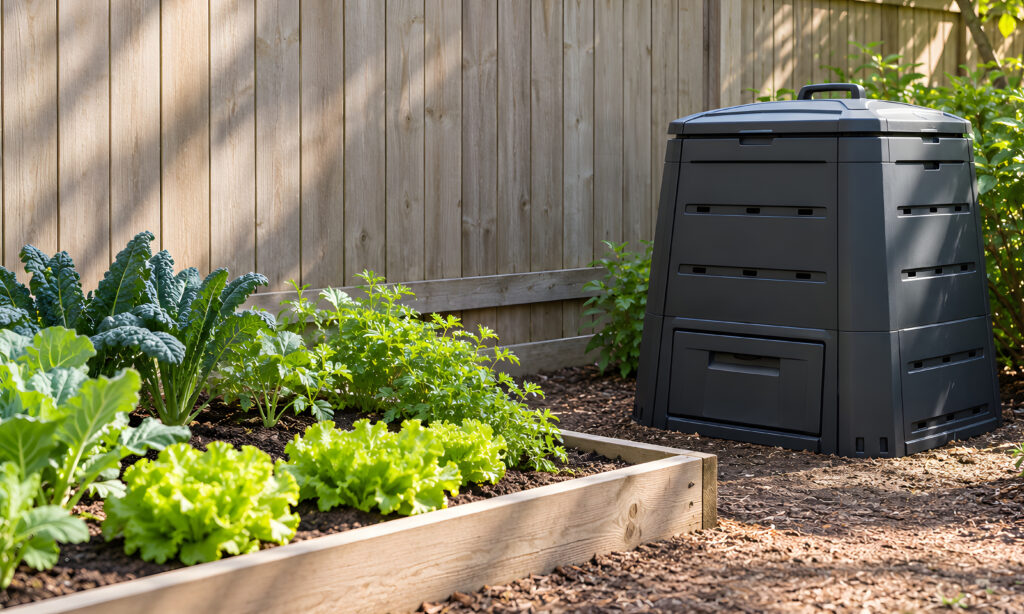
The Transition Bay movement began in England in 2004 and now represents an international network that helps communities build greater resilience, specifically surrounding energy, the environment, and the economy. It’s about giving communities more agency over their future, and Transition Bay St Margaret’s is one of five looking to do that in Atlantic Canada. They are also a past recipient of Feed Nova Scotia’s Innovation and Learning Grant.
We met up with Robert Cervelli last year to learn more about the movement and how Feed Nova Scoti’s grant program has supported their work.
“We started Transition Bay St Margaret’s 15 years ago, back when the Transition Movement internationally was just getting along….We could see the storm clouds on the horizon and [knew that] it would be important and that it would be appreciated for people in the years ahead to really understand that they can self empower themselves individually, domestically, and as a community to really look after their local needs on a local basis.”
The Transition movement represents a global, grassroots network of communities that work to build local self-sufficiency. Since Robert co-founded the local movement, he’s learned that every year there’s a new and growing interest in people learning basic skills, be it growing food, fixing and building things, or anything concerning self-empowerment.
With the hope of spreading the movement along, Robert and the rest of the team started what they call an “insta-garden”.
“Even more specifically, [we call it] a 45 minute insta-garden… You don’t need to turn over sod. You can just layer on top of the grass, first cardboard, then about six inches of good garden soil and compost. And then you can put transplants and seed in directly and boom, you’ve got a garden just like that.”
This idea became a reality in part through the Innovation and Learning Grant. In 2024, Transition Bay St Margaret’s received $7,000 to help increase local food production skills in the area. By offering both the setup and the mentorship, Robert and team have been working with clients at the St Margaret’s Food Bank that are interested in growing their own food with goals to reduce food dependency and foster food self-sufficiency.
The project also aimed to generate a ripple effect of interest in food growing within the community.
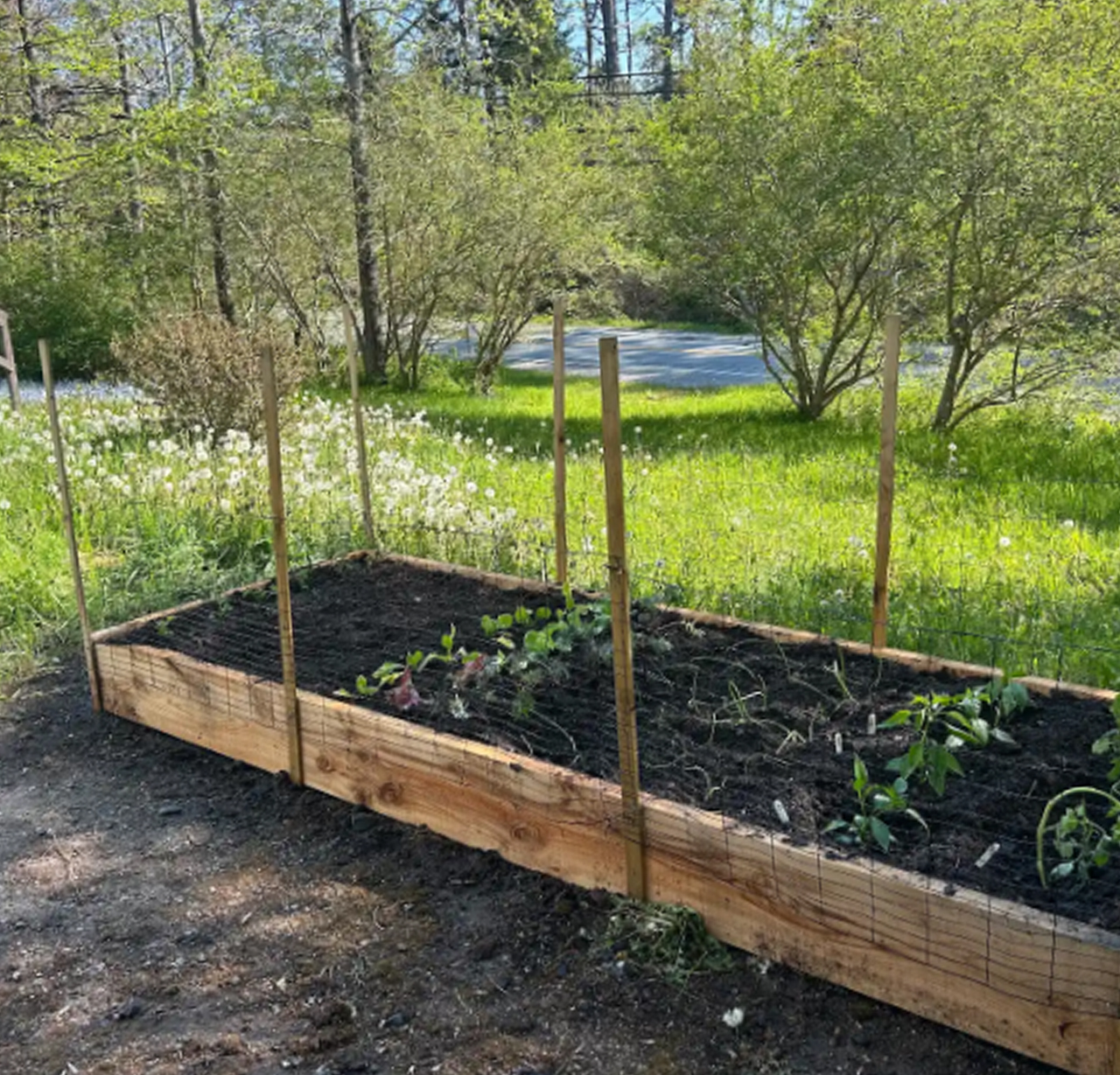
“People love it. There’s a certain energy, a certain vibe around seeing vegetables growing, seeing the harvest, being able to take fresh produce into the kitchen and being able to make a salad or to cook with it. There’s almost a, how would I describe it? A remembrance for the past, a longing for the past…we’re tapping into that multi-generational type of memory.”
With the funding received, four households received these insta-gardens. After the first year, these households reported successful harvests, were able to get younger household members participating, leading to intergenerational learning, and continued appreciation for the work done by Transition Bay.
Since these insta-gardens can be done by anyone with access to yard space, they’re an easily scalable project – one that Robert hopes to see take off in communities across Nova Scotia.
As someone passionate about food security, food sovereignty, and food access, we asked Robert what he would do if he had a magic wand that could magically end food insecurity in Nova Scotia and beyond.
“My magic wand for solving food insecurity. It was all captured on a sign on the Bedford Highway about 15 years ago. There’s a historical society. And on their sign, it said, “once upon a time, every family in Bedford grew vegetables”. That says it all right there.”
“That’s how you really, at the community and grassroots level, solve food insecurity. You empower yourself”.
You can learn more about Transition Bay and the insta-garden pilot below:
The North Grove: A Glimpse into a Grantee
As a community hub based in Dartmouth, the North Grove offers a wide variety of programming, all of which is centered ar...
Rethinking Food Charity
While food banks have become one of the most visible responses to food insecurity in Canada and worldwide, Executive Dir...
Coast2Coast: Darcy’s Run
On July 27, 2026, Darcy Eygun began the unfathomable: become the first person to run across Nova Scotia, from Cape North...